I gave Claude Code read-only access to its own spending
Claudoscope 1.0 ships a read-only MCP server so Claude Code can query your own session costs, four cost-alert rules, and two fixed transcript parsing bugs.
Dev tools, design, AI, and some stuff. Not in that order.

Claudoscope 1.0 ships a read-only MCP server so Claude Code can query your own session costs, four cost-alert rules, and two fixed transcript parsing bugs.

Gartner expects 40% of enterprise apps to ship AI agents by end of 2026. After building AgentHive at JFrog, I think generating the agent is the easy part.

Boost wraps every CLI my agents touch. Across 964 sessions it compressed 212M tokens (63.4%) and saved $1,060. The three pillars and what they actually do.
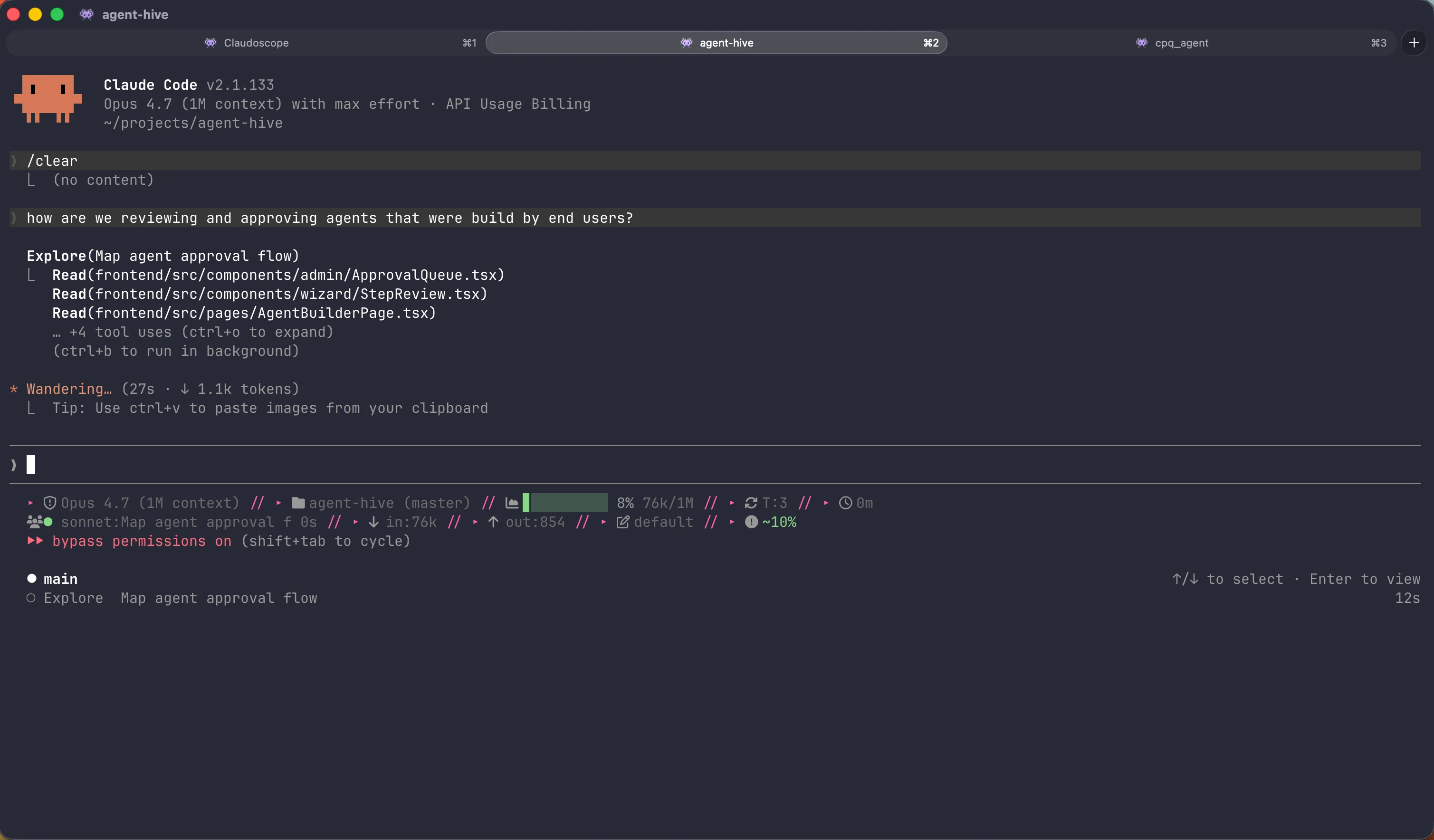
Every Ghostty tab said 'Claude Code'. Two configs and a 30-line zsh hook turned the tab bar back into useful navigation across 4-pane workflows.
Skills feel like capability. Hooks are enforcement. Inside: the full event reference, 10 real hooks (one cuts tokens 73%), and the enterprise patterns nobody writes.
Claude Code's speed was driving me and my team crazy. I tried ForgeCode. The speed was real. Now I'm running both.
Cursor 3's parallel agents existed in v2 via worktree config. Users report $2,000 bills in two days. The real story is cost opacity and unsolved context sharing.
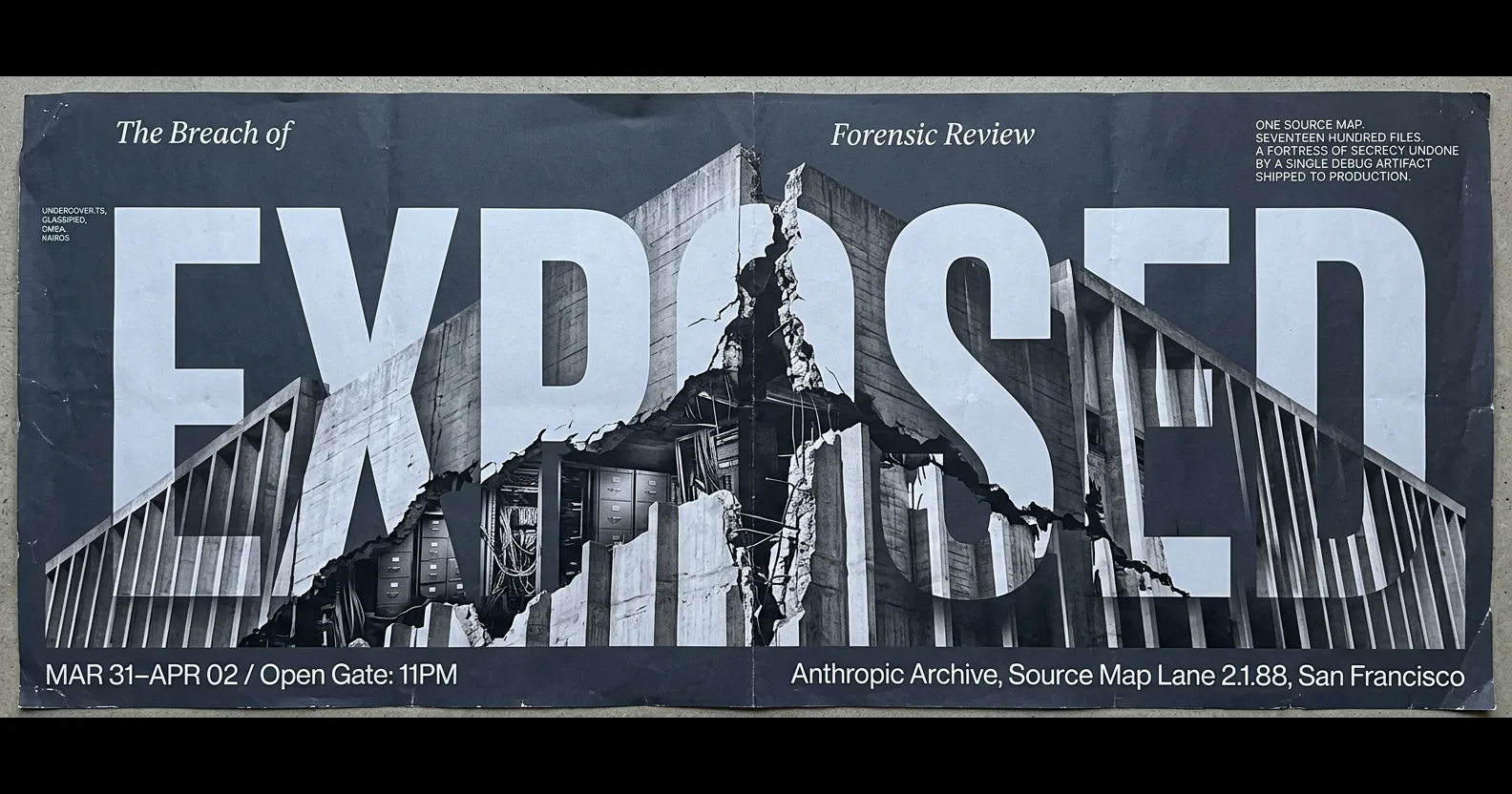
Anthropic shipped a source map in Claude Code v2.1.88, exposing 1,700+ files, undercover mode, decoy tools, and a 3,167-line function. Then they DMCA'd 8,100 repos.

How finding leaked credentials in a Claude Code session file led me to build Claudoscope, a macOS menu bar app for session analytics, cost tracking, and secret scanning.
NO POSTS MATCH THIS FILTER